When you step off the plane in Madrid, Alicante, Barcelona or Seville, you might feel like you have not only changed time zones but entered an alternate reality of timekeeping altogether. Spain runs on its own unique clock, a rhythm dictated by the sun, historical quirks and a deep appreciation for social connection.
For many English speakers, the Spanish daily routine is the ultimate culture shock. If you try to stick to your usual 9-to-5 schedule and 6:00 p.m. dinner, you will quickly find yourself hungry, confused and standing in front of closed doors. But do not worry! By understanding the art of the Spanish routine, you can synchronize your watch to the local lifestyle and experience the rich Spanish culture like a true native.
Imagine walking into a restaurant at 6:00 p.m., your stomach rumbling, hoping for a hearty dinner. You push the door open, only to find the chairs stacked upside down on the tables and a single waiter sweeping the floor. He looks at you with a mix of amusement and pity. "La cocina está cerrada," he says. The kitchen is closed.
In Spain, 6:00 p.m. is not dinner time; it is barely the late afternoon. To avoid this classic tourist trap, let's break down how a typical day in Spain actually unfolds.
The Breakfast Dilemma & El Almuerzo
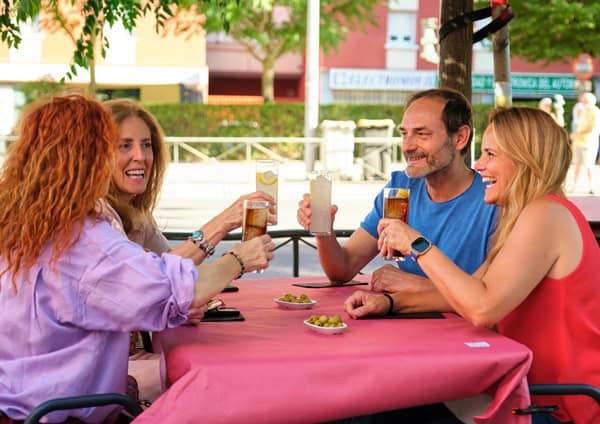
In many English-speaking countries, breakfast is a substantial meal designed to fuel you until noon. In Spain, the first meal of the day (el desayuno) is surprisingly light and fast. Eaten between 7:00 a.m. and 8:30 a.m., it usually consists of a strong café con leche and something sweet, like a magdalena (muffin) or a simple tostada con tomate (toast with crushed tomato, salt, and a drizzle of extra virgin olive oil).
However, because this initial breakfast is so light, Spaniards have mastered the art of the mid-morning break. Around 10:30 or 11:00 a.m., locals will step out of their offices and head to a nearby café for a second breakfast or almuerzo. This is a time for a small sandwich (bocadillo), a slice of tortilla de patatas and maybe another coffee. It is a crucial social pause to recharge before tackling the rest of the morning.
The Sacred 2:30 PM Lunch (La Comida)
Forget the quick, sad sandwich eaten at your desk at noon. In Spain, la comida is the absolute main event of the day, and it rarely begins before 2:00 p.m. or 2:30 p.m.
This is typically a large, multi-course meal, often experienced through a menú del día (menu of the day) in local restaurants. This includes a first course, second course, drink, bread and dessert for a fixed, affordable price. You will see workers, families and friends gathering around tables, fully dedicating an hour or two to eating properly.
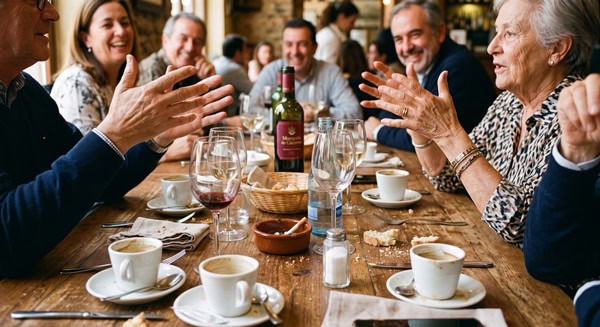
But the true magic of la comida extends beyond the food itself; it lies in la sobremesa. This beautiful, untranslatable Spanish word refers to the time spent lingering around the table after the meal is finished. People do not rush for the check. Instead, they order a coffee or a digestive liqueur, chat, debate and share stories. It is a brilliant reflection of a society that values human connection over strict punctuality.
Demystifying the Siesta: Fact vs. Fiction
Ah, the siesta! It is arguably Spain’s most famous, yet most misunderstood, cultural export. Many foreigners imagine that the entire country changes into pajamas and sleeps for three hours every afternoon.
Here is the truth: while the traditional siesta (a brief nap after a heavy lunch) certainly exists, the modern Spanish workforce does not usually go to sleep. So why do so many shops and businesses close between 2:00 p.m. and 5:00 p.m.? Historically, this extended break allowed agricultural workers to escape the brutal afternoon heat, especially in southern regions like Andalusia.
Today, the split shift (horario partido) persists mainly to accommodate the Spanish lunch and the commute home. So, while independent boutiques and local businesses might roll down their shutters, the people inside are more likely enjoying la comida with their families than snoring in bed.
Holding On: The Lifesaver of La Merienda
Because lunch ends around 4:00 p.m. and dinner won't happen until much later, there is a massive gap in the evening. Enter la merienda.
Around 6:00 p.m. or 7:00 p.m. (exactly when a tourist might be looking for a full dinner) Spaniards are having a late-afternoon snack. For children, this might be a sandwich or some fruit after school. For adults, it is the perfect excuse to meet friends at a café for a coffee, a pastry or perhaps some churros con chocolate in the colder months. It is a necessary cultural bridge that stops you from starving before the sun finally goes down.
The Late Night Dinner (La Cena)
If you want to eat dinner like a local, you must recalibrate your appetite for 9:30 p.m. at the earliest, with many popular restaurants not filling up until 10:00 p.m. or 10:30 p.m.
Because la comida was so heavy, la cena is traditionally a much lighter affair. Instead of a massive steak, Spaniards might opt for a fresh salad or a selection of shared tapas and raciones. It is a vibrant, social time of day. On weekends, the dinner conversation can easily stretch past midnight, proving once again that the Spanish timetable is built around enjoying life to the fullest.
Essential Spanish Phrases for the Daily Routine
To help you navigate this unique timetable and interact with locals confidently, here are some practical phrases you can use every day:
- ¿A qué hora abren / cierran? – What time do you open / close? (Crucial for navigating the siesta window!)
- La cocina está cerrada. – The kitchen is closed. (A warning you will hear if you try to order dinner at 6:00 p.m.)
- ¿Tienen menú del día? – Do you have a menu of the day? (Perfect for scoring a great deal during a 2:30 p.m. lunch).
- Un café con leche, por favor. – A coffee with milk, please. (Your best friend at 8:00 a.m. and again at 11:00 a.m.)
- La cuenta, por favor. – The check, please. (Remember, waiters won't bring the bill until you explicitly ask, out of respect for your sobremesa).