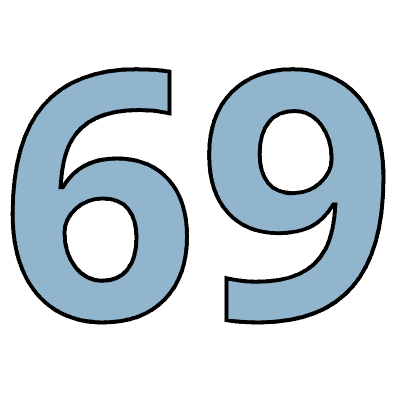
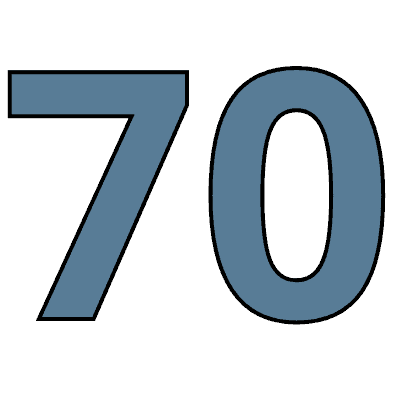
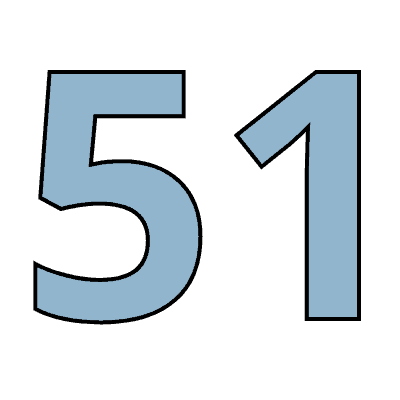
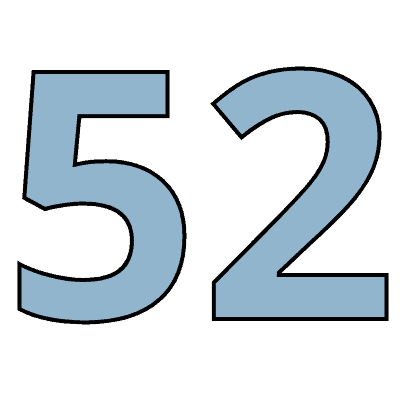
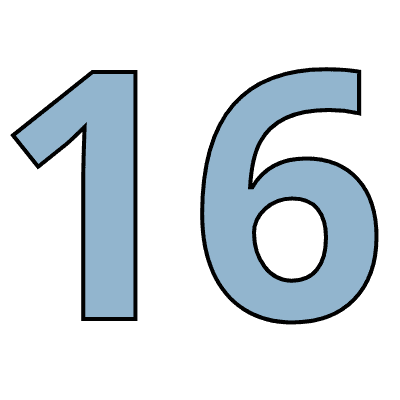
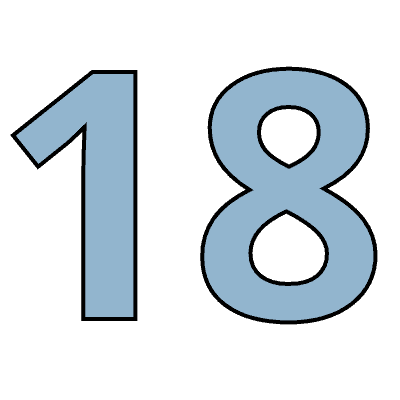
Spanish Numbers 51 to 60: Interactive Audio Flashcards

Welcome back to your Spanish counting practice, I'm sure you are making fantastic progress! Since you have already mastered the forties, learning the Spanish numbers from 51 to 60 will be incredibly simple. The pattern is exactly the same; you just need to memorize the new core word for fifty: cincuenta.
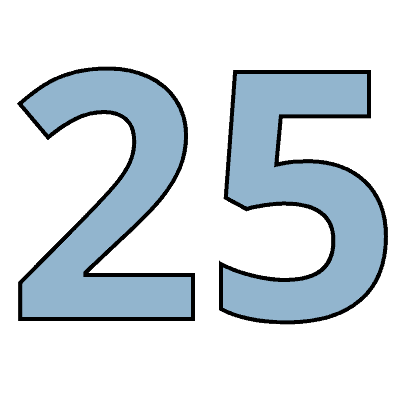
Use our interactive audio flashcards below to practice recognizing, spelling and pronouncing these numbers.

Los números del 51 al 60 en español
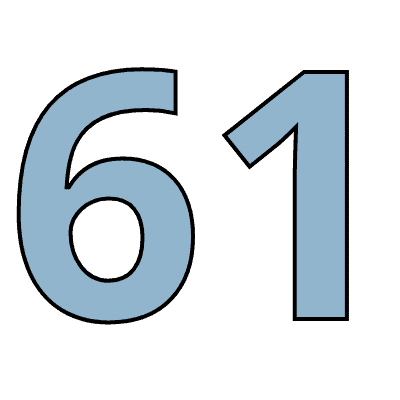
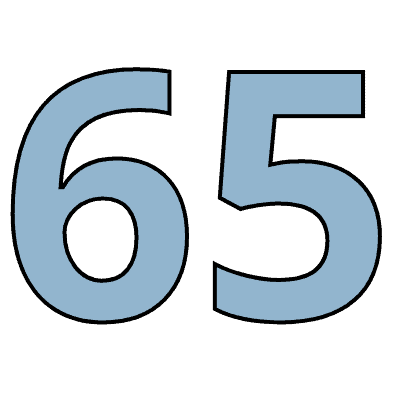
Cincuenta y uno

Cincuenta y uno

fifty-one

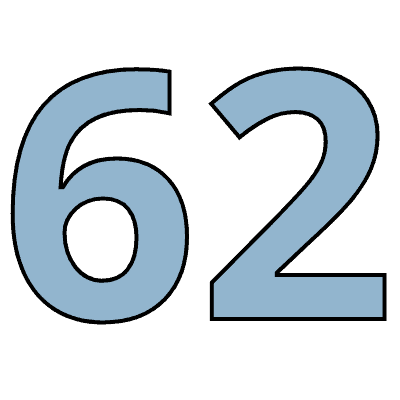
Cincuenta y dos

Cincuenta y dos

fifty-two

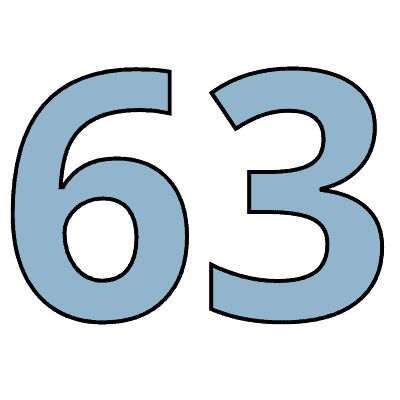
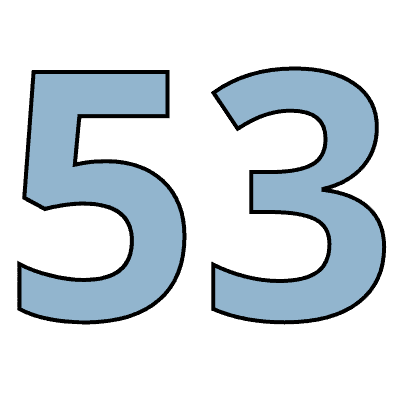
Cincuenta y tres

Cincuenta y tres

fifty-three

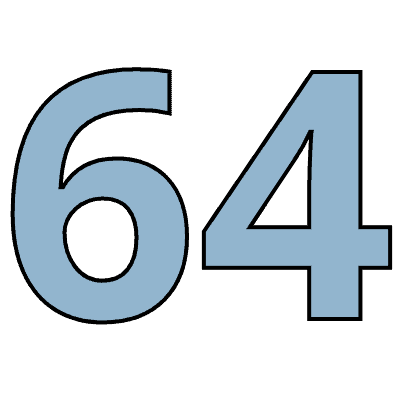
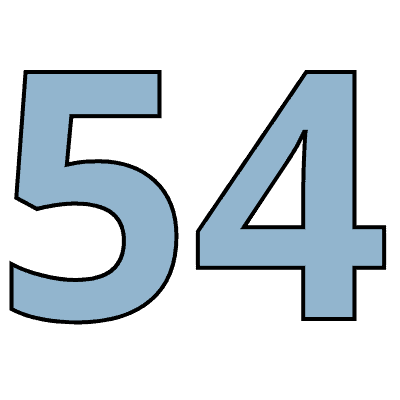
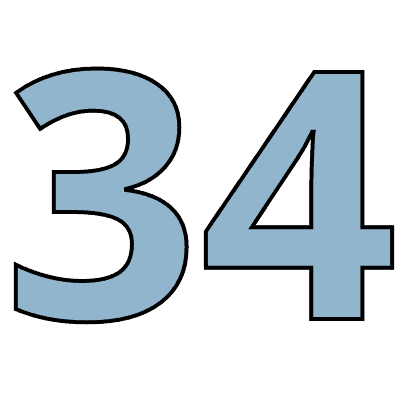
Cincuenta y cuatro

Cincuenta y cuatro

fifty-four

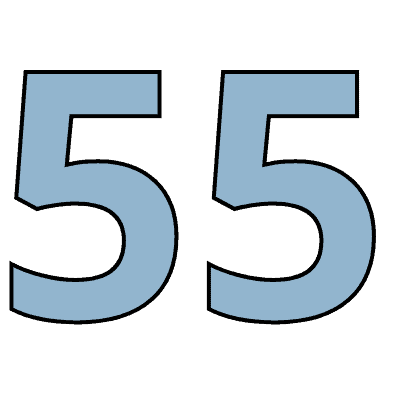
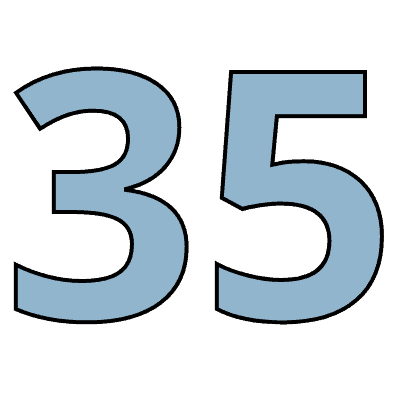
Cincuenta y cinco

Cincuenta y cinco

fifty-five

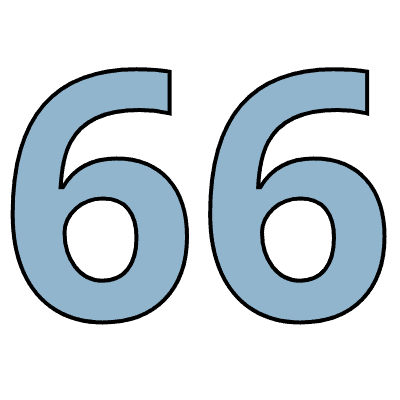
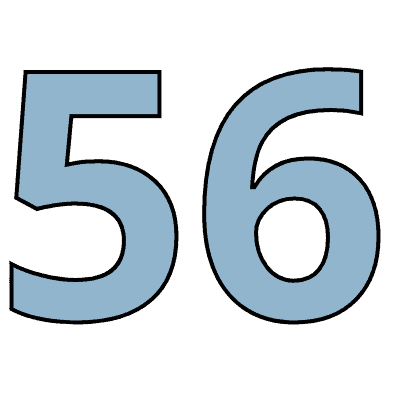
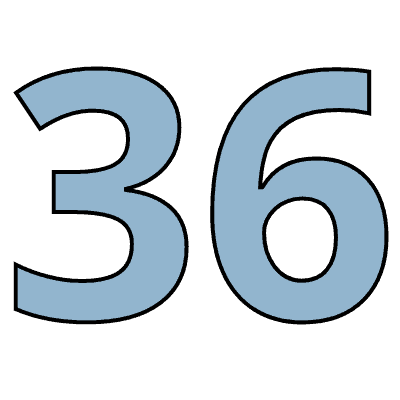
Cincuenta y seis

Cincuenta y seis

fifty-six

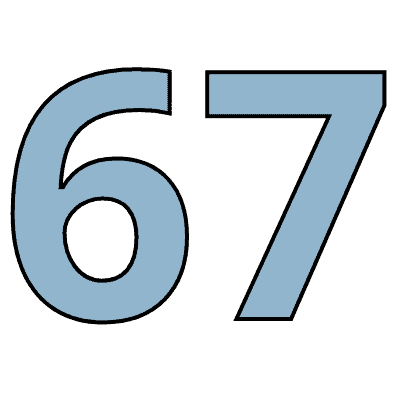
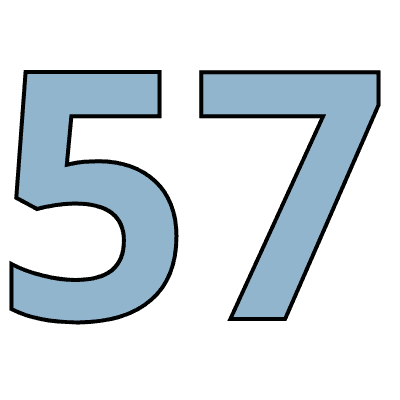
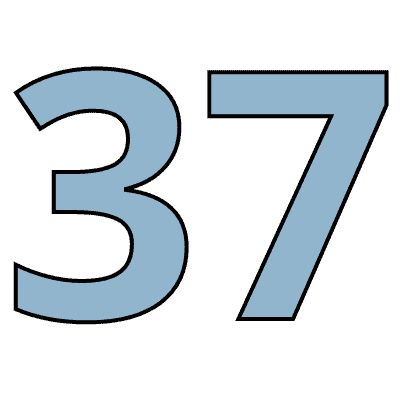
Cincuenta y siete

Cincuenta y siete

fifty-seven

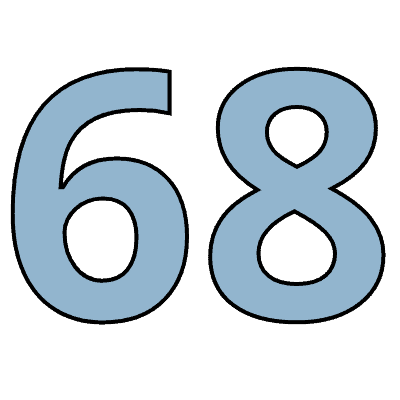
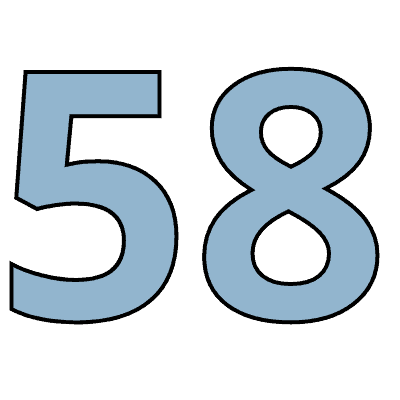
Cincuenta y ocho

Cincuenta y ocho

fifty-eight

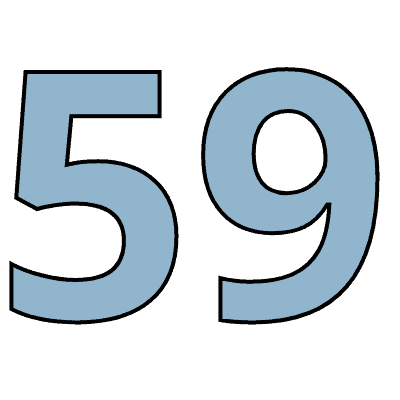
Cincuenta y nueve

Cincuenta y nueve

fifty-nine

Sesenta

Sesenta

sixty

The Rule for Numbers 51 to 60 in Spanish

Just like the thirties and forties, the Spanish numbers in the fifties follow a very consistent and simple mathematical formula: Cincueneta + y + Digit.

Since the Spanish word for fifty is cincuenta, all you have to do is connect it with the letter "y" (and) to the single digits 1 through 9.

  • Cincuenta + y + uno = Cincuenta y uno (51)
  • Cincuenta + y + cuatro = Cincuenta y cuatro (54)
  • Cincuenta + y + ocho = Cincuenta y ocho (58)

Remember that these numbers are always written as three separate words and do not require any written accents. The final step in this set is to learn the brand new word for 60, which is sesenta. Keep practicing with the flashcards until you can count from fifty to sixty smoothly.
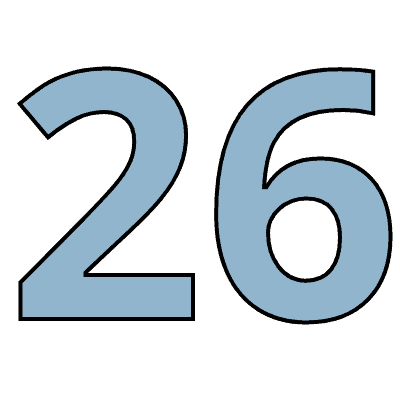
Spanish Numbers 41 to 50: Interactive Audio Flashcards

Since you already know how to count in the thirties, learning the Spanish numbers from 41 to 50 will be incredibly easy for you. The structure remains exactly the same; you just need to learn one new core word to build all the rest.

Use our interactive audio flashcards below to practice recognizing, spelling and pronouncing these numbers correctly. Hearing how a Spanish speaker connects the words will make your Spanish sound much more natural and fluent.

Los números del 41 al 50 en español
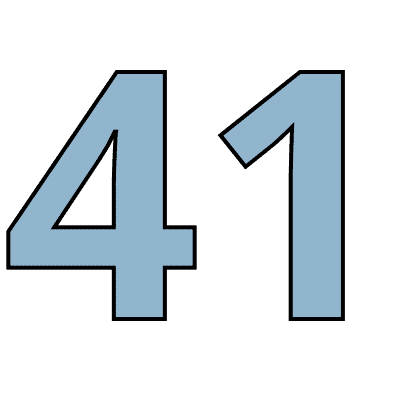
Cuarenta y uno

Cuarenta y uno

forty-one

Cuarenta y dos

Cuarenta y dos

forty-two

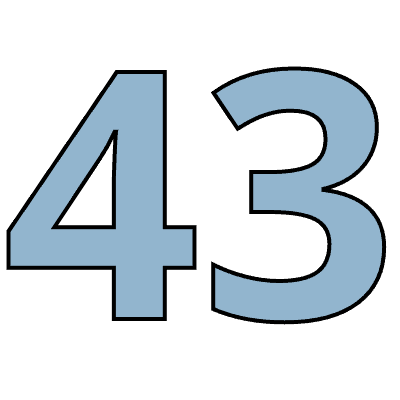
Cuarenta y tres

Cuarenta y tres

forty-three

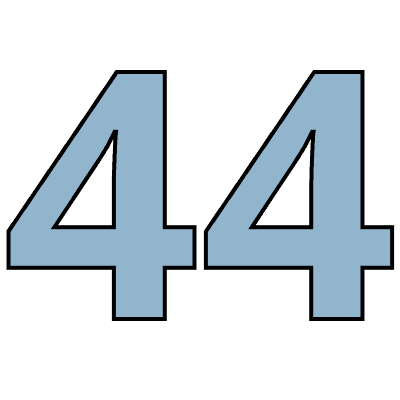
Cuarenta y cuatro

Cuarenta y cuatro

forty-four

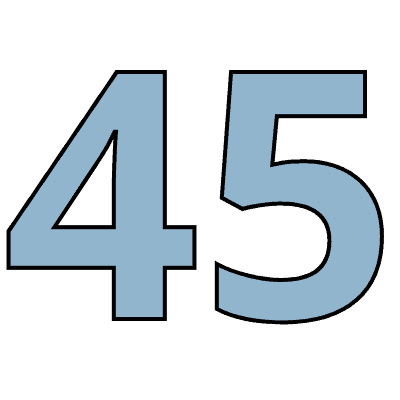
Cuarenta y cinco

Cuarenta y cinco

forty-five

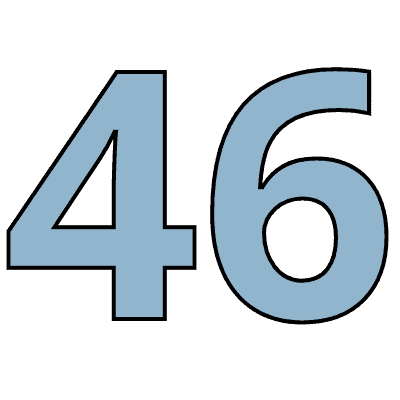
Cuarenta y seis

Cuarenta y seis

forty-six

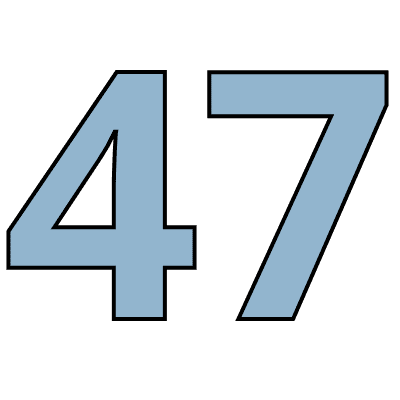
Cuarenta y siete

Cuarenta y siete

forty-seven

Cuarenta y ocho

Cuarenta y ocho

forty-eight

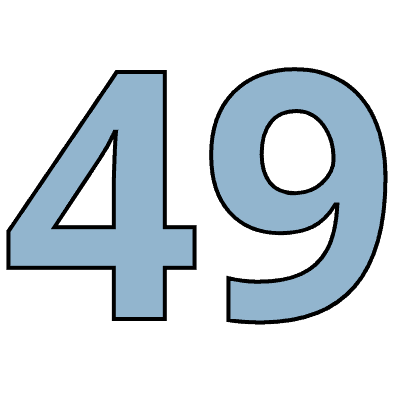
Cuarenta y nueve

Cuarenta y nueve

forty-nine

Cincuenta

Cincuenta

fifty

The Rule for Numbers 41 to 50 in Spanish

Just like the thirties, the Spanish numbers in the forties follow a very simple and repetitive formula: Cuarenta + y + Digit.

Since the Spanish word for forty is cuarenta, all you have to do is connect it with the letter "y" (and) to the single digits 1 through 9.

  • Cuarenta + y + uno = Cuarenta y uno (41)
  • Cuarenta + y + cuatro = Cuarenta y cuatro (44)
  • Cuarenta + y + ocho = Cuarenta y ocho (48)

Notice that, unlike the twenties (which combine into a single word like veintidós), the forties are always written as three separate words without any tricky written accents. The final step is to learn the brand new word for 50, which is cincuenta. Keep practicing with the flashcards until you can count from forty to fifty without hesitating.
Spanish Numbers 31 to 40: Interactive Audio Flashcards

Now that you have conquered the twenties, learning the Spanish numbers from 31 to 40 will feel like a breeze. At this stage, counting in Spanish becomes incredibly predictable and follows a very simple and repetitive pattern.

To help you memorize this new vocabulary quickly, use our interactive audio flashcards below. You can practice recognizing the numbers, checking their exact spelling and listening to the pronunciation without feeling overwhelmed.

Los números del 31 al 40 en español
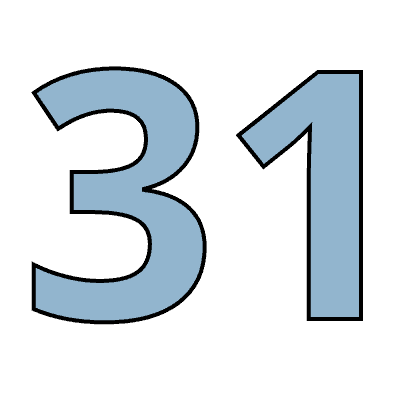
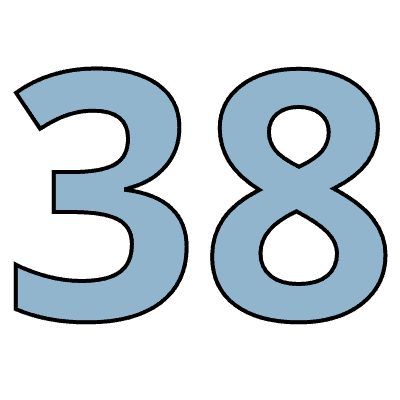
Treinta y uno

Treinta y uno

thirty-one

Treinta y dos

Treinta y dos

thirty-two

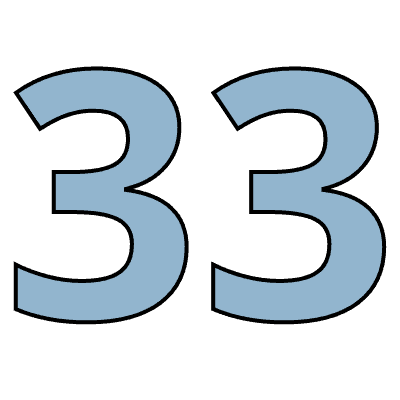
Treinta y tres

Treinta y tres

thirty-three

Treinta y cuatro

Treinta y cuatro

thirty-four

Treinta y cinco

Treinta y cinco

thirty-five

Treinta y seis

Treinta y seis

thirty-six

Treinta y siete

Treinta y siete

thirty-seven

Treinta y ocho

Treinta y ocho

thirty-eight

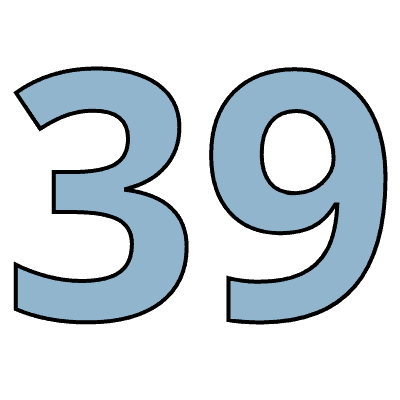
Treinta y nueve

Treinta y nueve

thirty-nine

Cuarenta

Cuarenta

forty

The Golden Rule for Spanish Numbers in the 30s

If you remember learning the numbers from 21 to 29, you know that they combine into a single word (like veintiuno or veinticuatro). However, once you hit the 30s, the grammar rules change and actually become much easier for English speakers!

From 31 onwards, Spanish numbers are split into three separate words connected by the letter "y" (which means "and"). The formula is simply: Ten + y + Digit.

  • Treinta + y + uno = Treinta y uno (31)
  • Treinta + y + cinco = Treinta y cinco (35)
  • Treinta + y + nueve = Treinta y nueve (39)

This straightforward pattern continues all the way up to 99! The only new word you need to memorize in this specific set is the number 40 itself, which is a single word: cuarenta. Keep practicing with these flashcards until you can smoothly count from thirty to forty without hesitation.
Spanish Numbers 21 to 30: Interactive Audio Flashcards

Welcome back to your Spanish number practice! Now that you have mastered the basics, it is time to take the next step and learn the Spanish numbers from 21 to 30. This specific group of numbers introduces a very important spelling and pronunciation pattern in Spanish that you will use constantly.

Instead of memorizing lists from a textbook, use our interactive audio flashcards below to practice recognizing, spelling and pronouncing these numbers.

First read the number, guess the Spanish word and then click the card to flip it and check your answer.

Números del 21 al 30 en español
Veintiuno

Veintiuno

twenty-one

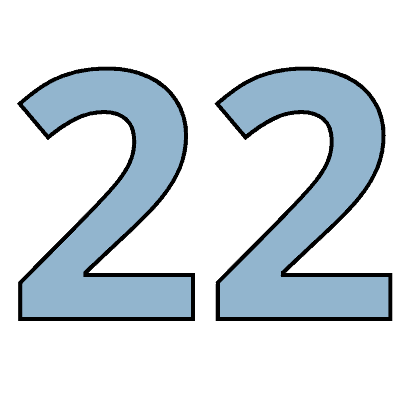
Veintidós

Veintidós

twenty-two

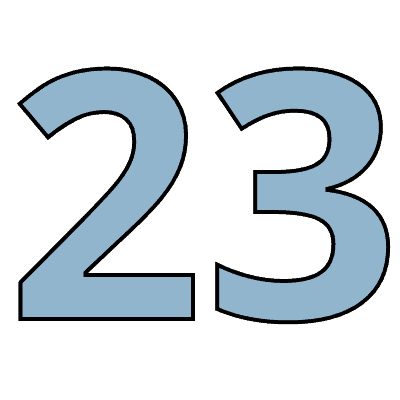
Veintitrés

Veintitrés

twenty-three

Veinticuatro

Veinticuatro

twenty-four

Veinticinco

Veinticinco

twenty-five

Veintiséis

Veintiséis

twenty-six

Veintisiete

Veintisiete

twenty-seven

Veintiocho

Veintiocho

twenty-eight

Veintinueve

Veintinueve

twenty-nine

Treinta

Treinta

thirty

The trick to Spanish numbers in the 20s

As you clicked through the flashcards above, you probably noticed a clear pattern. When counting from 21 to 29 in Spanish, you do not use three separate words like "veinte y uno" (twenty and one).

Instead, Spanish combines them into a single word. The rule is simple: drop the final "e" in veinte, replace it with an "i", and attach the single digit at the end.

  • Veint(e)→i + uno = Veintiuno
  • Veint(e)→i + cuatro = Veinticuatro
  • Veint(e)→i + nueve = Veintinueve

This combined spelling rule applies only to the twenties. Once you reach 30 (treinta), the pattern will change to separate words (like treinta y uno). Keep practicing with these flashcards until you can say all the numbers from 21 to 30 smoothly and confidently!

How to use these interactive flashcards

Here is the best way to practice:

  • Test your memory: first, look at the number on the front of the card. Try to say the Spanish word for it out loud before flipping it.

  • Click to flip: click on the card to turn it over. You will hear the correct pronunciation.

  • Check the spelling: read the back of the card carefully. Pay special attention to the written accents (tildes) on words like veintidós, veintitrés and veintiséis.

  • Replay and repeat: need to hear it again? Click the play button on the back of any card to listen to the audio as many times as you want. Repeat after the speaker to perfect your accent!


Spanish Numbers 11 to 20: Interactive Audio Flashcards

Once you know the numbers from 1 to 10, learning the Spanish numbers 11 to 20 is your next big milestone. This specific group of numbers is essential for everyday conversations, like talking about your age, reading dates or handling small payments. To help you memorize them effectively, we have created these interactive Spanish flashcards. The combination of visual cues with native pronunciation will help you transform passive reading into an active learning process.

Read the number, guess the Spanish word and click the card to flip it and check your answer!

Números del 11 al 20 en español
Once

Once

eleven

Doce

Doce

twelve

Trece

Trece

thirteen

Catorce

Catorce

fourteen

Quince

Quince

fifteen

Dieciséis

Dieciséis

sixteen

Diecisiete

Diecisiete

seventeen

Dieciocho

Dieciocho

eighteen

Diecinueve

Diecinueve

nineteen

Veinte

Veinte

twenty

Tips to master the Numbers 11 to 20 in Spanish

Memorizing this specific block of numbers is much easier when you understand the hidden spelling patterns. Keep these rules in mind as you review the vocabulary table:

  • The "-ce" Pattern (11 to 15): notice how the numbers once, doce, trece, catorce, and quince all end in the letters -ce. Grouping these five words together in your head makes them much easier to remember!

  • The "Dieci-" Pattern (16 to 19): from 16 to 19, the spelling follows a clear mathematical formula. You take the word diez (ten), change the "z" to a "c", add an "i" (and), and attach the single digit. For example, diez y seis becomes dieciséis.

  • Watch the accent mark: be very careful with the number 16. Because of Spanish accentuation rules, dieciséis must always carry a written accent (tilde) on the last "e".

  • Play the audio aloud: do not just read the numbers silently! Click the audio play button on your flashcards to hear the pronunciation and repeat the words out loud.
Number Spanish Word Grammar Note / Pattern
11 Once Ends in "-ce".
12 Doce Ends in "-ce".
13 Trece Ends in "-ce".
14 Catorce Ends in "-ce".
15 Quince Ends in "-ce".
16 Dieciséis Pattern: diez + y + seis = dieciséis (Notice the accent mark!)
17 Diecisiete Pattern: diez + y + siete.
18 Dieciocho Pattern: diez + y + ocho.
19 Diecinueve Pattern: diez + y + nueve.
20 Veinte New root for the 20s.

Master Spanish Numbers 1 to 10: Interactive Audio Flashcards

Whether you are traveling to a Spanish-speaking country, starting a new course or just wanting to chat with native speakers, learning the Spanish numbers from 1 to 10 is an absolute must because they are the building blocks for everyday conversations, from asking for prices to sharing your phone number.
To make memorizing these numbers as easy and entertaining as possible, we have created an interactive set of audio flashcards.

Let's start flipping!

Números hasta el 10 en español
Cero

Cero

zero

Uno

Uno

one

Dos

Dos

two

Tres

Tres

three

Cuatro

Cuatro

four

Cinco

Cinco

five

Seis

Seis

six

Siete

Siete

seven

Ocho

Ocho

eight

Nueve

Nueve

nine

Diez

Diez

ten

Beginner Spanish Flashcards: 15 Essential Regular -AR Verbs

-AR verbs are the most common group of verbs in the Spanish language. Because they are regular they follow a strict, predictable pattern. By learning their infinitive forms today, you set yourself up for absolute success when it is time to conjugate them into the past, present or future tenses.

Below, you will find 15 of the most essential regular -AR verbs used in daily, real-life conversations. To help you memorize them effectively, we have created these interactive beginner Spanish flashcards.

How to use these interactive flashcards:

  • Guess the action: Look at the image on the front of the card and try to recall the Spanish word.
  • Flip the card: click the flashcard to reveal the correct Spanish verb and its English translation.
  • Perfect your accent: click the audio play button on every card to hear the exact pronunciation from a native speaker.

Ready to build your vocabulary and improve your listening skills? Let's start flipping!

Verbos regulares de la primera conjugación (-AR)
Caminar, andar

Caminar, andar

to walk

Hablar

Hablar

to speak / to talk

Comprar

Comprar

to buy

Estudiar

Estudiar

to study

Escuchar

Escuchar

to listen

Trabajar

Trabajar

to work

Pensar

Saltar

to jump

Cantar

Cantar

to sing

Cocinar

Cocinar

to cook

Ahorrar

Ahorrar

to save (money)

Amar

Amar

to love

Desayunar

Desayunar

to have breakfast

Abrazar

Abrazar

to hug

Entrar

Entrar

to enter / to go in

Viajar

Viajar

to travel

Online Flashcards about Jobs in Spanish 💼 (Part One)

These online flashcards about jobs in Spanish are a great way to learn vocabulary related to occupations in this language. The vocabulary related to jobs in Spanish can be challenging, but with these flashcards it is easy to review and remember the most important vocabulary for you.

The following flashcards contain images related to jobs and audio; just click on the button with the speaker icon to hear the job name. This first part includes 18 flashcards about jobs in Spanish. Some of the occupations on these flashcards are only in masculine and others only in feminine, others are in both genders. But if you would like to know how to spell all these professions in both the masculine and feminine forms, read the table below.

List of these jobs in Spanish in both genders

Job in EnglishJob in Spanish (Masculine)Job in Spanish (Feminine)
Policeman / Policewomanel policíala policía
Doctorel doctor / el médicola doctora / la médica
Plumberel fontanerola fontanera
Bakerel panaderola panadera
Tailorel sastrela sastre, la sastra
Astronautel astronautala astronauta
Nurseel enfermerola enfermera
Waiter / Waitressel camarerola camarera
Teacherel maestro / el profesorla maestra / la profesora
Journalistel periodistala periodista
Surgeonel cirujanola cirujana
Veterinary surgeonel veterinariola veterinaria
Postman / Postwomanel carterola cartera
Farmerel agricultorla agricultora
Firefighterel bomberola bombera
Driverel chófer / el conductorla chófer / la conductora

Why use flashcards to learn vocabulary related to jobs in Spanish?

If you're like most people, you probably don't have enough time to sit down and study every day endless and boring vocabulary lists about the names of jobs in Spanish. But that doesn't mean you can't improve your vocabulary skills step by step with a little help from our interactive flashcards. These flashcards promote efficient learning using the combination of audio and images, and because these flashcards are online, you don't need to prepare any materials.

Learning the Spanish job names is also important because it can help you in your job search. There are many different jobs out there, and knowing the right name in Spanish for the position you want is key to impressing potential employers who are interested in employees with knowledge of the Spanish language. When searching for a job in Spanish, it helps to be familiar with the different types of jobs and their corresponding Spanish job titles.